Two Months Before July 4, Rhode Island Was Already Out.
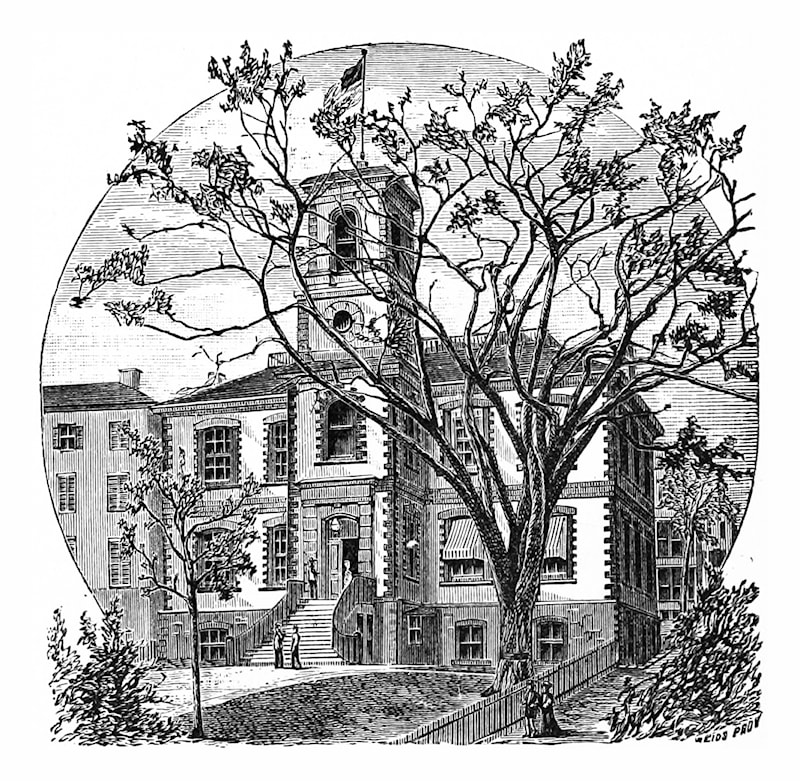
On May 4, 1776, the Rhode Island General Assembly met at the Old State House on Benefit Street in Providence. By the end of the afternoon, they had repealed the act requiring Rhode Islanders to swear allegiance to King George III, ordered every court clerk to stop issuing writs in the king's name, and changed the official phrasing on state documents from "God save the King" to "God save the United Colonies."
The vote was 60 to 6. Governor Nicholas Cooke wrote to George Washington two days later with the tally, noting there were "upwards of sixty members present." Cooke seemed mildly surprised that it had happened so easily.
Two months before the Declaration of Independence, Rhode Island had already walked out.
Why Rhode Island, and Why First?
Roger Williams founded the colony in 1636 after Massachusetts Bay banished him for preaching that the government had no business enforcing religious belief. That founding principle, suspicion of distant authority telling local people what to do, had 140 years to settle into the Rhode Island bones by the time Parliament started passing the Sugar Act, the Stamp Act, and the Townshend duties.
Rhode Island was also, by 1776, a smuggling economy. Newport and Providence were among the busiest ports on the Atlantic seaboard, and a sizable share of that business involved evading the British customs service. When the Royal Navy started enforcing trade regulations more seriously in the late 1760s, Rhode Island merchants took it personally.
In June 1772, a group of Providence men boarded the British revenue schooner HMS Gaspee after it ran aground in Narragansett Bay. They shot its captain in the leg, put the crew ashore, and burned the ship to the waterline. That was three years before Lexington and Concord.
So when the question of independence came up in the spring of 1776, Rhode Island was not hard to convince.
What the Act Actually Said
Jonathan Arnold of Providence drafted the Act of Renunciation. Its preamble argued from a specific legal theory: that the obligation of allegiance was conditional on the sovereign's obligation to protect. The king, Arnold wrote, was "entirely departing from the Duties and Character of a good King" and was "endeavoring to destroy the good People of this Colony" by sending fleets and armies to force them into "the most debasing and detestable Slavery." Protection had ended. Therefore allegiance had ended.
Every officeholder in Rhode Island had taken an oath to the king. That evening, the oaths were rewritten. Commissions began to be issued in the name of "the Governor and Company of the English Colony of Rhode Island and Providence Plantations." The king's courts became the state's courts. Royal government stopped and was replaced in a single sitting.
The Original Document Still Exists
The original Act of Renunciation is held by the Rhode Island State Archives. Looking at it, you can see the debate playing out on the parchment. The second paragraph is crossed out and rewritten in a different hand. You can watch the delegates argue about wording in real time, 250 years later.
Every May 4, Rhode Island celebrates Rhode Island Independence Day. The General Laws of Rhode Island officially establish the date as "a just tribute to the memory of the members of our general assembly" who took that first step.
The State That Went First and Came in Last
There is a historical irony here that Rhode Islanders have never quite let go of. The first colony to break with Britain was also the last state to ratify the United States Constitution, holding out until May 29, 1790. Rhode Island joined the Revolution ahead of everyone and joined the Union after everyone.
That stubbornness is still the state's personality. It is the smallest state in the country and the one that has always been the most sure of itself.
July 4 gets the fireworks. But on May 4, 1776, Rhode Island was already free.