Virginia Didn't Wait for Permission.
On May 15, 1776, the Virginia Convention met in Williamsburg and voted unanimously to instruct its delegates in the Continental Congress to propose independence. Not hint at it or negotiate around it, but walk onto the floor and put the motion before all thirteen colonies.
The resolution was blunt. It directed Virginia's delegates "to propose to that respectable body to declare the United Colonies free and independent States, absolved from all allegiance to, or dependence upon, the Crown or Parliament of Great Britain."
No colony had done this before. Rhode Island had renounced its own allegiance on May 4. Massachusetts had asked its towns to weigh in on May 10. But Virginia was the first to tell its delegates to go to Philadelphia and make it happen.
Williamsburg, May 1776
The Virginia Convention had been meeting in the Capitol building in Williamsburg, the same building where Patrick Henry had given his "give me liberty or give me death" speech just fourteen months earlier. The delegates included the men who would, in the coming years, shape the United States: Thomas Jefferson, Patrick Henry, George Mason, James Madison, Edmund Pendleton, Richard Henry Lee.
The debate was not about whether to break with Britain. That argument had already been won. The debate was about how to frame it, and whether Virginia should declare its own independence first or use its influence in Philadelphia to push all thirteen colonies to act together.
They chose the second path. A committee led by Pendleton drafted the resolution. When it came to a vote on May 15, 112 delegates voted in favor. Not one voted against. The galleries erupted. The British flag was hauled down from the Capitol. The Grand Union flag went up in its place.
The Lee Resolution
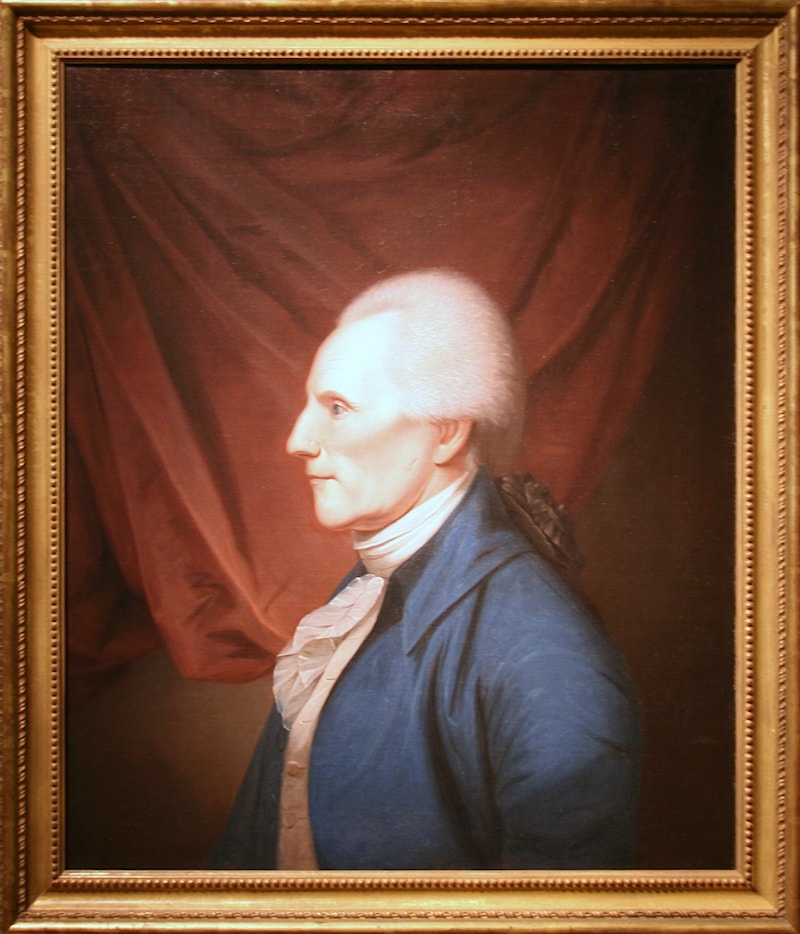
Virginia sent the instructions north with one of its most senior delegates, Richard Henry Lee. He arrived in Philadelphia carrying a mandate no other delegate had: explicit authorization from his colony to introduce a motion for independence.
On June 7, 1776, Lee rose on the floor of the Continental Congress and did exactly that. His motion had three parts. Declare independence, form foreign alliances, and establish a plan of confederation. The words were direct: "That these United Colonies are, and of right ought to be, free and independent States, that they are absolved from all allegiance to the British Crown, and that all political connection between them and the State of Great Britain is, and ought to be, totally dissolved."
The Continental Congress debated. Some delegations (Pennsylvania, New York, Delaware, Maryland, South Carolina) were not yet authorized to vote for independence. So Congress tabled the vote for three weeks and, on June 11, appointed a committee to draft a formal declaration. Thomas Jefferson, also a Virginian, sitting at his rented lodgings on Market Street, wrote the document we now know as the Declaration of Independence.
Virginia's Other Gift: The Declaration of Rights
While Jefferson was in Philadelphia drafting the Declaration of Independence, George Mason was in Williamsburg drafting the Virginia Declaration of Rights. It was adopted on June 12, 1776, three weeks before the Declaration of Independence.
Mason's document declared that "all men are by nature equally free and independent, and have certain inherent rights." It enumerated the freedoms of press, religion, speedy trial, and due process. Jefferson had a copy of Mason's draft in his hands when he wrote the Declaration of Independence. The echoes are unmistakable. Mason's Declaration of Rights also became the template for the United States Bill of Rights, which Madison drafted thirteen years later.
The Old Dominion Went First on the Continental Stage
Rhode Island went first for itself, on May 4. Virginia went first for all thirteen colonies, on May 15. It was the largest, wealthiest, most populous colony in British America, and it used that weight to push the Continental Congress off the fence.
Without Virginia's May 15 resolution, there is no Lee Resolution on June 7. Without the Lee Resolution, there is no committee on June 11, and no Declaration on July 4. The road from Williamsburg to Philadelphia that spring is how American independence actually happened.
We commemorate Virginia on our 50 State Heritage Collection ornament.